
Making Sense of Compatibility Packs: A Smarter Path Than EWM Migration
April 22, 2026 | by Rick Kromkamp
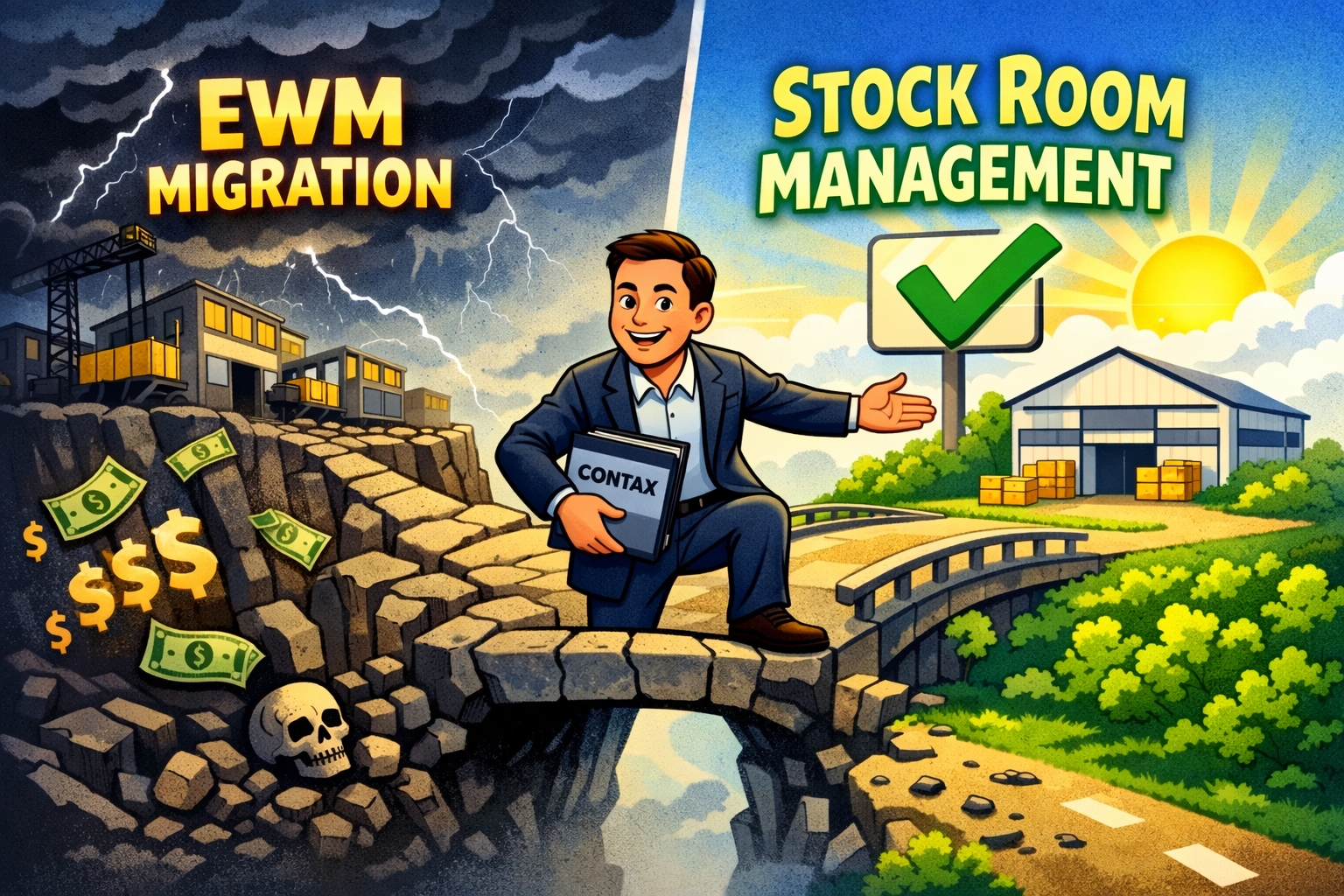
Last year, I published an article about a topic that doesn’t usually make headlines but absolutely should: Compatibility pack usage in SAP S/4HANA and the looming deadlines that many organizations still underestimate.
That article sparked more conversations than I expected — including one that turned into a real eye-opener.
The Call for Help
Shortly after the article went live, a prospective customer reached out. They had just completed an upgrade and were suddenly staring at compatibility pack warnings related to EWM — specifically the Warehouse Control Interface.
They sent me the screenshot below.
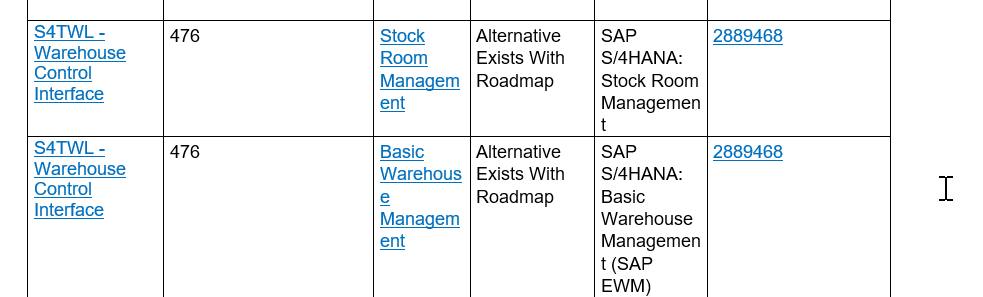
On the surface, the SAP notes seemed clear:
• Their existing WM solution was deprecated.
• To remain compliant with their SAP license, they would need to migrate to SAP EWM.
If you’ve ever priced out a full EWM migration, you know this is not a small ask. For many organizations, it’s a seven-figure project.
So they issued an RFP, and CONTAX was invited to bid.
Looking Deeper — and Finding Something Everyone Else Missed
When we dug into their landscape and warehouse operations, something didn’t add up.
The customer believed they were still running classic LE-WM.
But they weren’t.
Like many organizations, they had been automatically migrated to Stock Room Management during their S/4HANA upgrade — and they didn’t realize it.
This is more common than people think, and it’s a critical distinction:
• Stock Room Management is fully compliant.
• It is supported until at least 2040.
• It avoids the mandatory EWM migration path.
You won’t see major new investments from SAP in Stock Room Management, but for many organizations, it remains a perfectly valid and cost-effective solution.
To confirm, we asked them to run a Stock Room Management compliance check.
They did — and the results told the real story.

The Real Issue: One Small Component, Not the Entire Warehouse
Alongside our EWM proposal, we also provided an alternative recommendation — one that no other vendor had mentioned.
The customer wasn’t actually using advanced warehouse automation.
They weren’t orchestrating complex, real-time material flows.
They weren’t running a high-volume, robotics-driven distribution center.
They had one simple warehouse vending machine.
And they were using the Warehouse Control Unit (WCU) to send CSV files to a shared folder.
WCU is fantastic when you need real-time, high-throughput integration with automation equipment.
But in this case, it was being used purely because it was convenient at the time.
With SAP moving away from WCU, there were far simpler, far cheaper ways to achieve the same outcome — without triggering a full EWM migration.
The Outcome: Compliance Restored, Costs Avoided
With our guidance, the customer was able to:
• Remove the WCU dependency
• Remain fully compliant with their SAP license
• Avoid an unnecessary EWM migration
• Implement the fix using their own internal technical team
Total savings-
Hundreds of thousands of dollars.
What surprised them most was that they had spoken to several other firms — and every single one told them the same thing:
“You need to migrate to EWM.”
And honestly, if you read the SAP documentation at face value, it’s easy to see why.
But sometimes, what you really need is a partner who’s willing to look deeper, think creatively, and prioritize your long-term interests over short-term revenue.
If You’re Unsure About Your Own SAP Roadmap…
This experience reinforced something I’ve seen again and again:
Organizations don’t just need technical expertise — they need honest, creative guidance.
If you’re unsure whether your current partner is giving you that, or if you want a second opinion on your SAP roadmap, we’re always happy to help.
📩 info@contax.com
🌐 www.contax.com
Sometimes the simplest solution is the right one — you just need someone willing to look for it.
About the Author

Rick Kromkamp
Related Articles
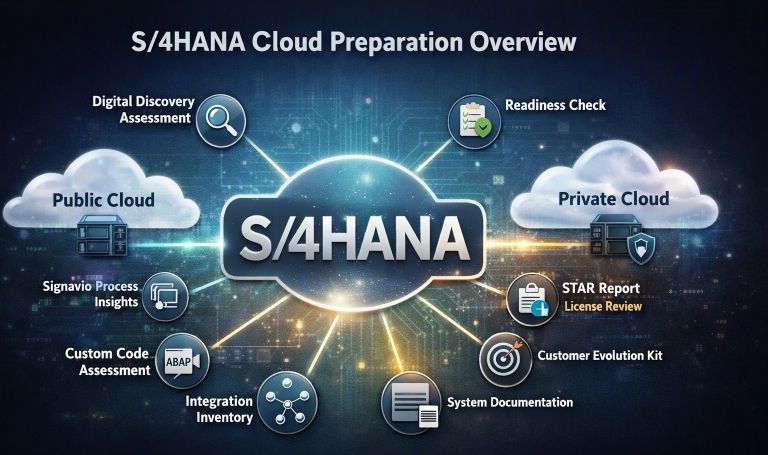
S/4HANA Public vs. Private Cloud — What ECC Customers Should Be Doing Now
A practical guide showing ECC customers the lowcost, highimpact steps they should begin now to ensure a smooth and wellprepared migration to S/4HANA Public or Private Cloud.
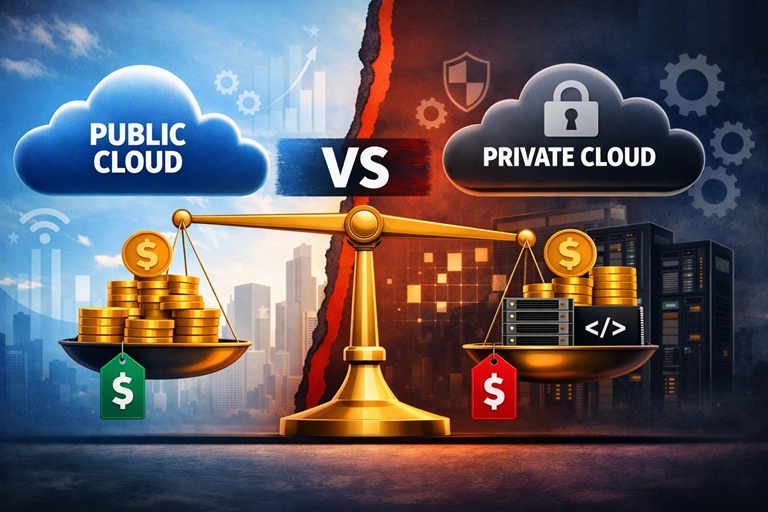
S/4HANA Public vs. Private Cloud — Understanding the True Cost Picture
The true cost dynamics of SAP S/4HANA Public vs. Private Cloud, and how subscription, implementation, and lifecycle factors shape longterm total cost of ownership.
S/4HANA Public vs. Private Cloud — Understanding the Fundamentals
A practical overview of the key differences between SAP S/4HANA Public Cloud and Private Cloud to help choose the right path forward.