
Your 3PL Is Live on EDI - Now Who Notices When It Breaks?
November 24, 2026 | by Jodi Abrams
The project is done. Testing passed, the 940s went out, the 945s came back, and the first few weeks looked great. Everyone moved on to the next project.
Then a customer's receiving dock flags a delivery that arrived with no ASN, and a chargeback follows. The order shipped on time. The 3PL sent the 945. But it landed in SAP in error status, so the delivery is still open, no goods issue was posted, and neither the ASN nor the invoice ever went out. Nobody noticed.
The integration worked. Nobody was watching it.
Why Go-Live Is Not the Finish Line
Testing proves the happy path. Test orders are built to ship complete, on time, exactly as planned, so every 940 gets a matching 945 and every receipt matches its ASN.
Production is everything else. Customers change their minds after the 940 has gone out. A pallet gets damaged. A carton is short. Stock that SAP says is available turns out to be sitting in a QA hold.
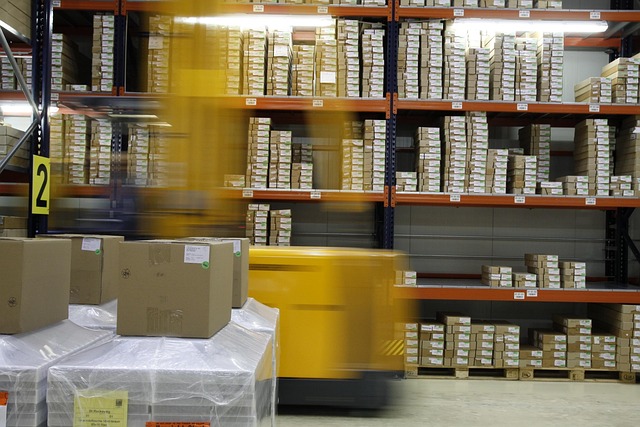
A 3PL warehouse is a physical place, and physical places produce exceptions every single day. The EDI is only as good as what happens when the real world doesn't match the message.
Where It Breaks
The failures tend to cluster in a few predictable places:
- The 945 that doesn't match the delivery - The shipment confirmation (SHPCON) comes back with quantities, batches, or handling units that differ from the delivery SAP created. If SAP can't reconcile the two, the IDoc stops in error and the delivery stays open. No goods issue posts, so the ASN and the invoice never trigger.
- Short and partial shipments - The 3PL ships less than the 940 asked for. Someone has to decide whether SAP should accept the partial, split the delivery, or backorder the rest.
- Receipt variances on the 944 - You sent the 3PL a 943 for 500 units and the warehouse counted 480. The receipt confirmation is correct, but it doesn't match what SAP expected.
- 947 adjustments SAP won't post - Damaged stock, QA holds, and cycle count corrections all come back as goods movements. A missing batch, a blocked storage location, or a movement type that isn't set up will stop them.
Here is a simple example. SAP sends a 940 for 48 cases. The warehouse finds 44 good ones and ships 44, so the 945 reports 44. SAP's delivery still says 48. Depending on how your confirmation is configured, that 945 posts as a partial, fails with an error, or waits for someone to deal with it. Meanwhile the truck has left and SAP has no confirmed shipment to build an ASN from.
None of these are exotic. They are normal warehouse events. The question is what your integration does with them.
Who Actually Sees It?
When an inbound IDoc fails to post, it sits in error status in SAP (status 51 is the one most people know). That is only useful if someone is looking at it.
In most companies the picture is split three ways:
- The warehouse team - Sees their own system and the 3PL portal, but not SAP.
- The SAP team - Sees IDocs, but doesn't know which failures matter to a customer.
- Customer service - Sees the customer's complaint, and often finds the problem first.
Each group has part of the picture and none has all of it. A confirmation that fails on Monday can sit until Thursday, when someone asks why an order hasn't invoiced.
The cost goes beyond the delay itself. Late ASNs turn into chargebacks and unconfirmed shipments hold up invoicing and cash.
What a Better Scenario Looks Like
You can't remove warehouse exceptions, but you can decide in advance how they are handled:
- Agree on exception rules before go-live - What happens on a short ship, a damaged pallet, or a changed delivery? Who corrects the delivery in SAP, and how does the 3PL find out?
- Monitor every day, not when someone complains - Failed IDocs from the 3PL should be reviewed daily, with a clear owner for each type of failure.
- Reconcile the 846 against SAP on a schedule - Compare the 3PL's daily inventory snapshot to SAP at a consistent time and work the differences as an exception list, so small gaps never grow.
- Look for patterns monthly - The same SKU short again and again, or the same 947 failing every week, usually points to a master data or configuration issue that is worth fixing once.
When a 3PL integration works, nobody notices. When it doesn't, the first person to find out shouldn't be your customer.
If you're onboarding a 3PL or inheriting an integration that never quite behaves, please reach out at info@contax.com.
About the Author

Jodi Abrams
Related Articles
Arcus vs. SPS Commerce: Which EDI Model Fits Your SAP Team?
Both will get your EDI running. The real question is who owns the SAP side when something breaks.

EDI Conversion Doesn't Have to Be a Big Bang
Why moving one trading partner at a time makes an EDI change easier to manage

5 Things AI Can’t Do in EDI
Why the hardest parts of EDI still need people